
Billing Strategy.
Operator-focused guides to renewal mechanics, payment timing, schedule alignment, proration, plan changes, cancellation, discounts, tax, and billing controls.
- Map every renewal from due time to the next schedule
- Choose explicit rules for proration, changes, and cancellation
- Reconcile money, tax, shipping, access, and customer communication
About this topic
A subscription billing model is a chain of dates, records, payment attempts, customer promises, and operational decisions. These guides explain each link so finance, support, engineering, and fulfillment teams can work from the same model.
Start with the renewal lifecycle, then compare automatic and manual collection, record relationships, schedule alignment, proration, changes, cancellation, coupons, tax, and shipping. Worked examples are illustrative and product-specific behavior is clearly separated from general WooCommerce concepts.
Browse the library
Billing Strategy guides
Showing 1–6 of 14 articles
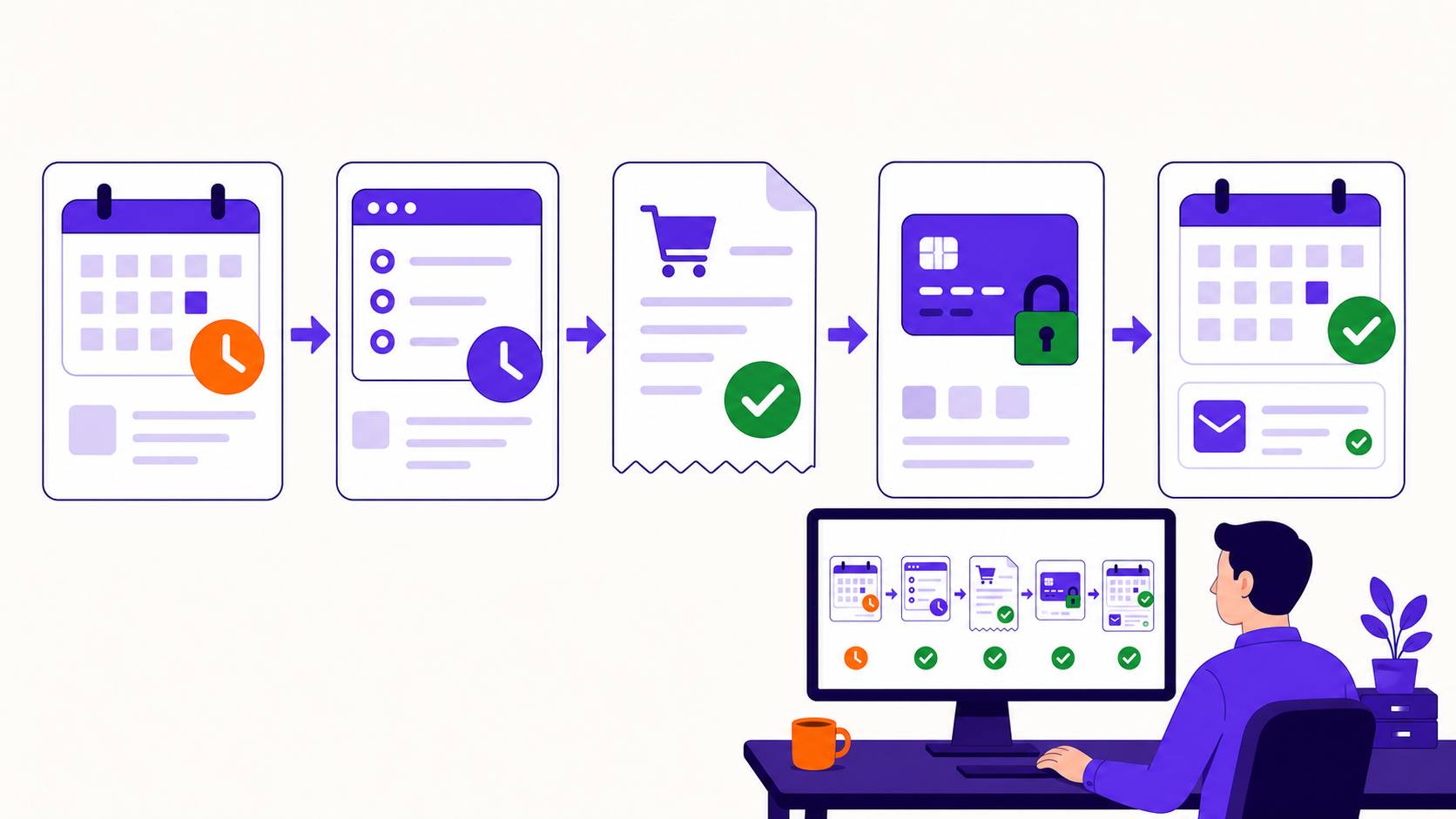
How WooCommerce Subscription Renewals Work
Trace the complete renewal state transition across agreement, scheduled jobs, order, gateway, customer communication, and the next cycle.
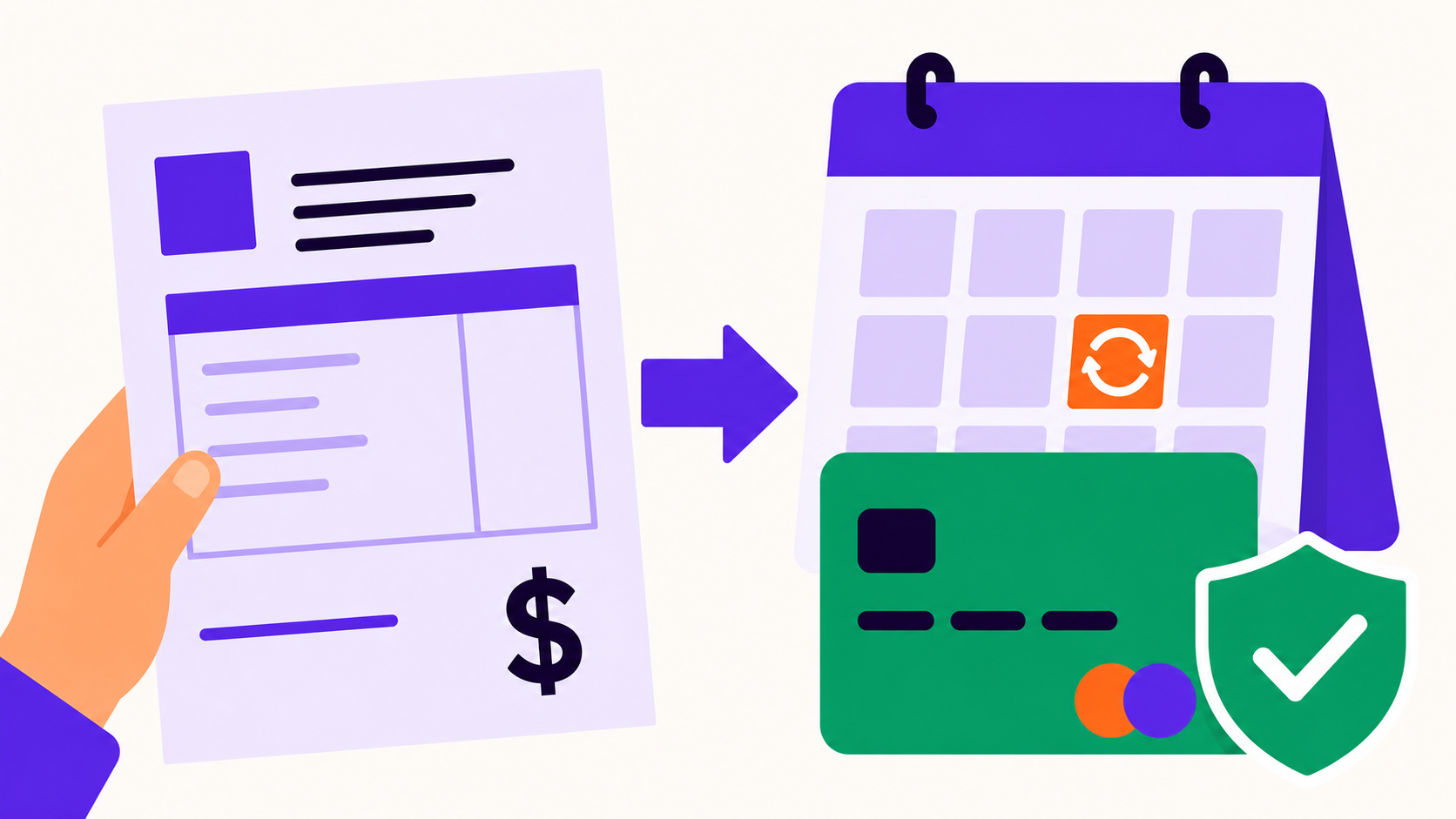
Manual vs Automatic Subscription Renewals in WooCommerce
Choose deliberate invoicing or supported automatic collection by comparing ownership, customer action, gateway risk, and total operating effort.

Subscription Order vs Renewal Order vs Parent Order
Give the product, customer agreement, parent order, and renewal order distinct jobs so troubleshooting and reporting stay accurate.

WooCommerce Renewal Synchronization Explained
Align new subscriptions to a shared billing boundary while making the first partial period, gateway support, and operational workload explicit.

Subscription Proration Methods Compared: Charge, Credit, or Defer
Choose immediate proration, a deferred switch, or full-price replacement by aligning money, entitlement timing, credit, and the next anchor.

Immediate vs Next-Renewal Subscription Plan Changes
Choose the effective boundary from the entitlement promise, then gate every immediate or deferred change on the correct payment event.