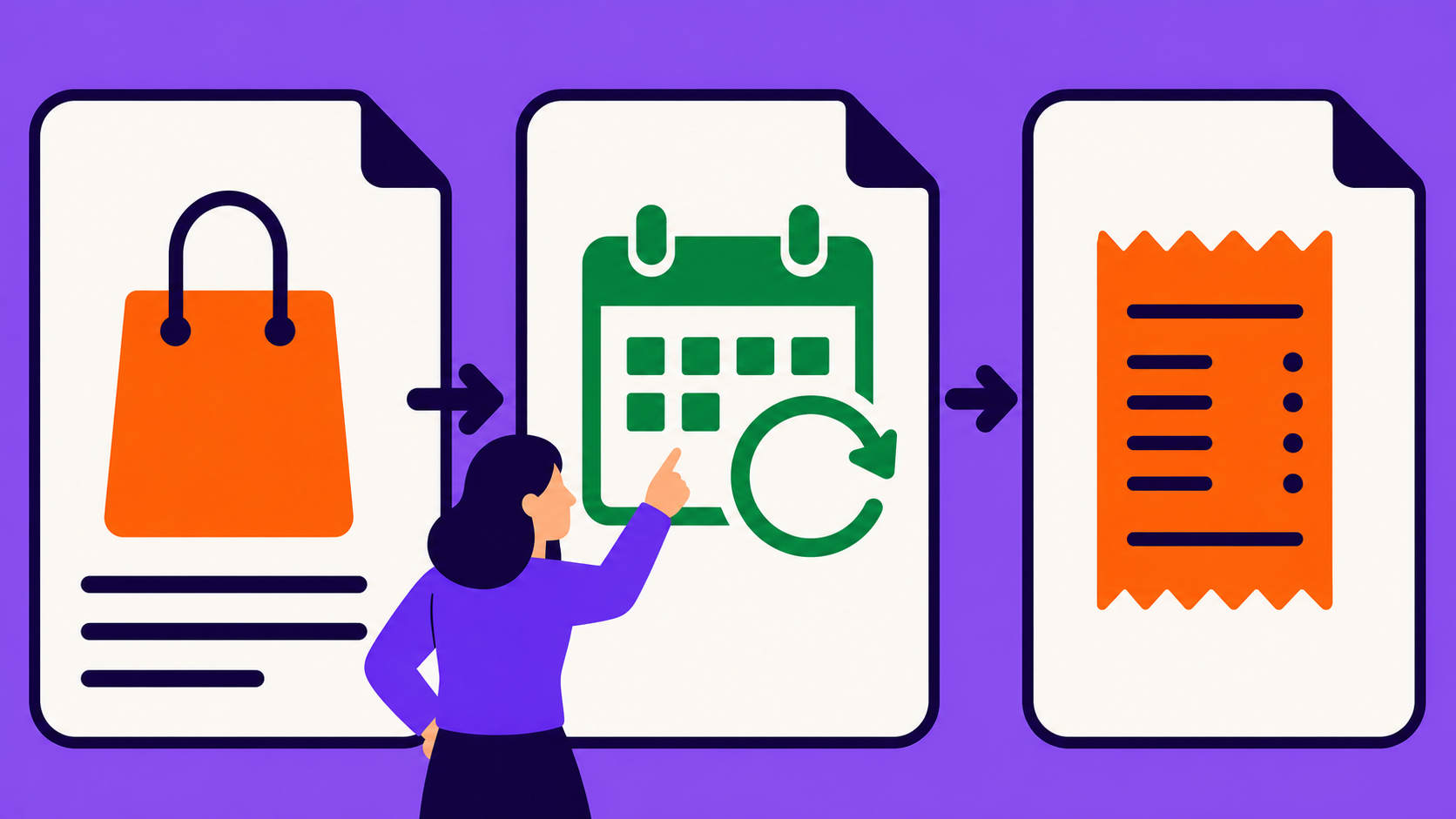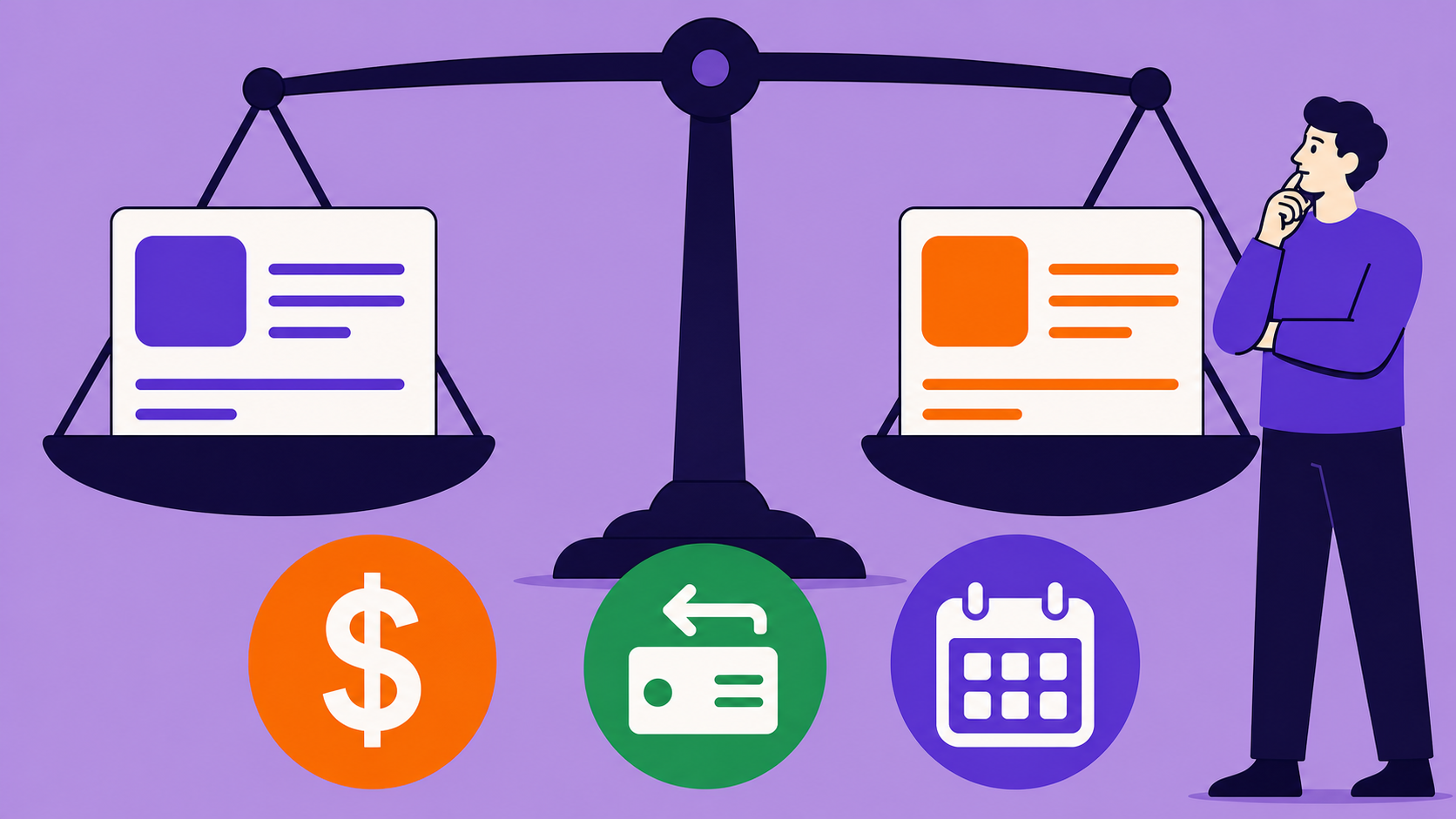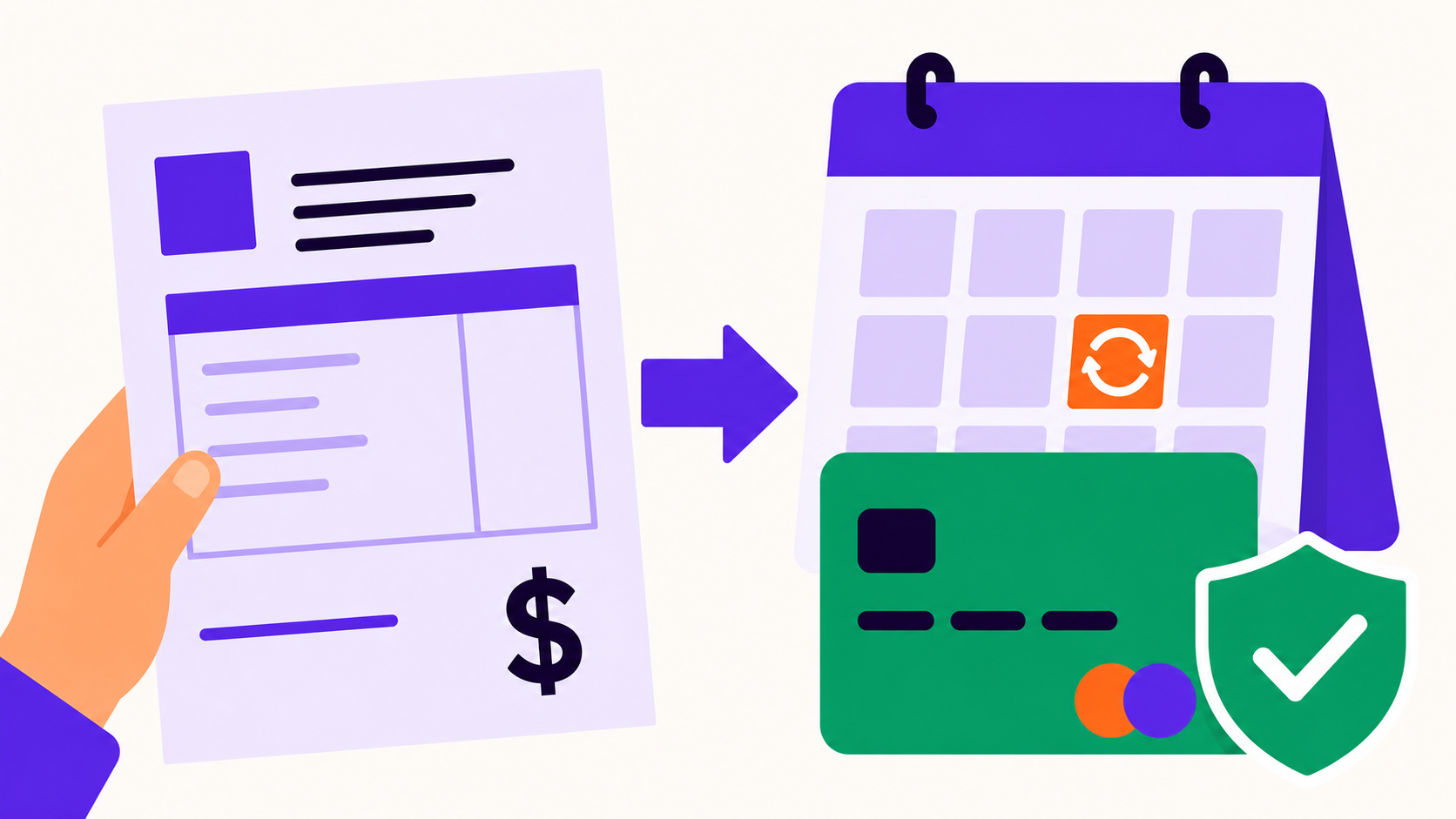
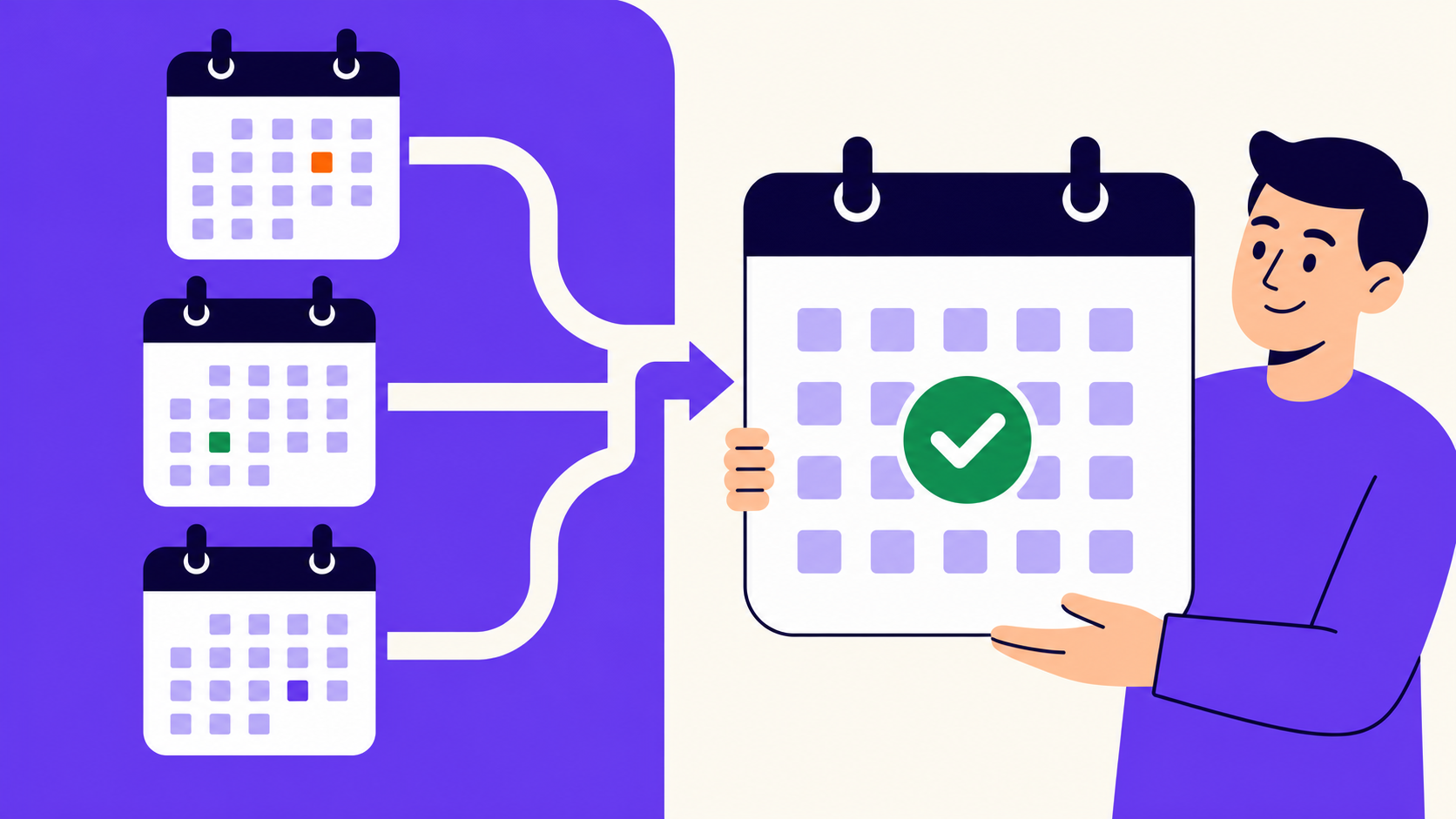
Renewal synchronization aligns eligible new subscriptions to a shared calendar boundary—such as Monday, the first day of each month, or a month of the year. It changes the first partial period and next payment date; it does not make every agreement end together. Choose and disclose the first-charge method, gateway support, and cutoff behavior.
Key takeaways
- Synchronization aligns a billing anchor, not a shared end date.
- The first period may be free, full price, or prorated.
- Existing subscriptions are not automatically moved by enabling sync.
- Global Renewal Sync is available in ArraySubs core; product-level Flexible Renewal Sync is Pro.
- Synced checkout and gateway combinations require current end-to-end testing.
How alignment works
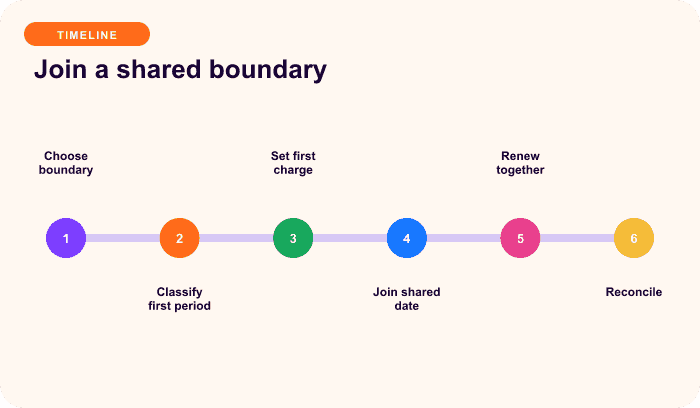
Without synchronization, a monthly subscription started July 13 normally renews around August 13. With day-one monthly synchronization, its next shared boundary is August 1. The store must decide what July 13–August 1 costs.
Current ArraySubs exposes global synchronization by billing period in core. ArraySubs Pro’s Flexible Renewal Sync adds eligible product-level control. Current documentation says enabling sync affects new subscriptions rather than retroactively shifting existing agreements. WooCommerce’s alignment documentation makes the same important distinction between alignment and ordinary rolling dates (billing date alignment).
First-charge methods
| Method | Due at signup | Next payment | Main question |
|---|---|---|---|
| Free until boundary | $0 recurring portion | Shared date | Can the business fund the free partial service? |
| Full first period | Full recurring price | Shared date | Is the shortened first period disclosed clearly? |
| Prorated first period | Fraction of recurring price | Shared date | Is the formula, minimum, rounding, tax, and gateway path tested? |
Illustrative example: $30 monthly plan, signup July 16, next boundary August 1, using a 30-day basis and 16 days to boundary.
prorated first recurring amount = $30 × (16 ÷ 30) = $16
This is arithmetic, not universal ArraySubs invoice output or tax advice. Calendar conventions, minimum charges, intervals, coupons, trials, fees, and rounding can change the result.
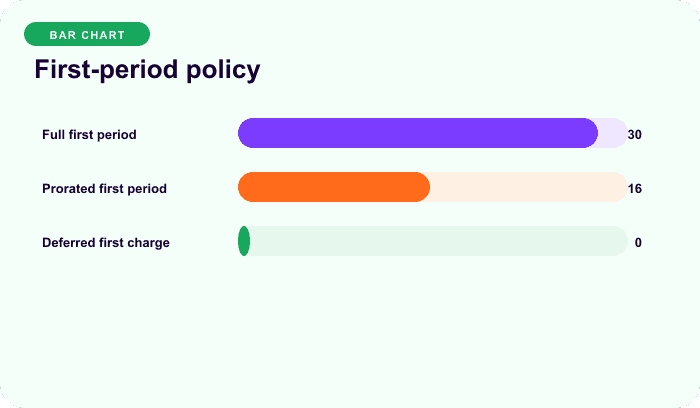
Illustrative first-period amounts only.
Alignment patterns
- Weekly: renew on a chosen weekday.
- Monthly: renew on a chosen day of month.
- Yearly: renew on a chosen month/day boundary.
- Product-level: different eligible products use different boundaries.
Month-end behavior needs explicit tests. “Day 31” cannot exist every month, and timezones can move a visible boundary. Customer copy should state the actual next date rather than only the rule.
Synchronization is not fixed date or fixed term
- Renewal sync: repeated payments share a calendar anchor.
- Fixed-cycle: agreement ends after a number of payments or periods.
- Fixed-date: agreements end on a shared calendar date.
- Pause/skip: an existing agreement’s future schedule changes under a lifecycle action.
A synchronized monthly plan can remain ongoing forever. A six-payment plan can start on different dates without synchronization. A seasonal cohort can have a shared end date even if it uses another payment cadence.
Gateway ownership and current limits
Current ArraySubs research indicates synced checkout is supported for manual/offline and Stripe paths. Do not promise PayPal or Paddle synchronization without a verified current test because those gateways own remote schedules. A local boundary and a remote billing agreement must agree before checkout is considered valid.
Trials, signup fees, coupons, shipping, tax, and zero-total first orders can also alter the initial transaction. Show today’s total and the next full renewal separately.
Operational decisions
Synchronization can simplify warehouse batching, cohort access, finance forecasting, or support communication. It can also create concentrated payment failures, support load, fulfillment peaks, and gateway traffic on one day.
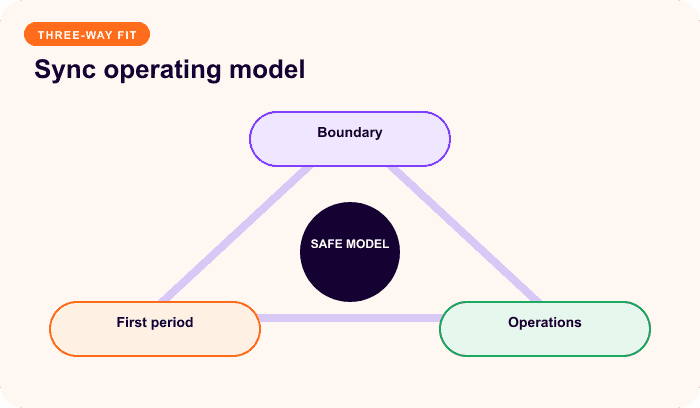
Before choosing a shared date, model:
expected boundary workload
= eligible active subscriptions due
+ payment attempts and authentication cases
+ orders requiring fulfillment
+ likely support/recovery actions
Use your own capacity and failure data. There is no universal best renewal day.
Launch checklist
- Choose the business reason for alignment.
- Select global or product-level scope.
- Define the first-charge method and formula.
- Decide the cutoff when signup is very close to the boundary.
- Show due-today and next-renewal dates at product, cart, checkout, and email.
- Test month-end, leap-year, timezone, trial, coupon, fee, tax, and shipping cases.
- Test each supported gateway and cancellation before the first boundary.
- Confirm existing subscriptions remain unchanged unless an explicit migration is approved.
- Monitor action volume and gateway rate limits at the boundary.
For a broader schedule-safety model, read Changing a Subscription Renewal Date Safely.
Final recommendation
Use renewal synchronization when a shared billing boundary creates real operational value. Make the partial first period transparent, verify gateway ownership, and avoid treating the feature as a bulk date editor or fixed-end contract. Compare ArraySubs options.
Frequently asked questions
Does renewal synchronization change existing subscriptions?
Current ArraySubs guidance says enabling synchronization applies to eligible new subscriptions. Existing agreements are not automatically moved. A migration needs a separate consent, economic, scheduler, and gateway plan.
Is the first synchronized period free?
Only if the selected policy makes it free. Other common methods charge the full recurring amount or a prorated amount. Show the exact due-today amount and next full renewal before payment.
Is renewal sync the same as a fixed-date subscription?
No. Sync aligns repeated payment dates. A fixed-date subscription ends on a shared date. A synchronized agreement can remain ongoing after every shared renewal boundary.
Can every gateway support synchronized renewals?
No assumption is safe. Current ArraySubs support should be verified for the exact manual or automatic integration. Remote-schedule gateways such as PayPal and Paddle require special alignment and testing.
What day should monthly subscriptions renew?
Choose from fulfillment capacity, finance needs, customer expectations, support coverage, and gateway constraints. Test the real volume and month-end rules; there is no universal highest-converting day.
Disclosure, verification, and update log
- July 2026: Verified against current ArraySubs global and Flexible Renewal Sync behavior and official WooCommerce alignment guidance. Examples are arithmetic scenarios.
Continue from strategy to setup
Use a recipe when the model is settled
These articles own the decision and operating model. The ArraySubs feature map and recipes cover the exact product, billing, and customer-workflow configuration.
Written by
Emran // ArrayHash
Research and practical guidance for WooCommerce subscription operators and implementation teams.
Technical review
ArraySubs Engineering Team
Reviewed against current ArraySubs code, product documentation, and the linked primary platform sources.